
Most break-ins aren’t planned for weeks. A burglar walks a street, looks for the house that seems easiest, and tests the weakest entry point first. If it gives in under a minute, he’s in. If it fights back, he moves on — burglars are on a clock, and noise and delay are what they can’t afford.
Here’s the order they test things, and how to harden each one.
1. The front door
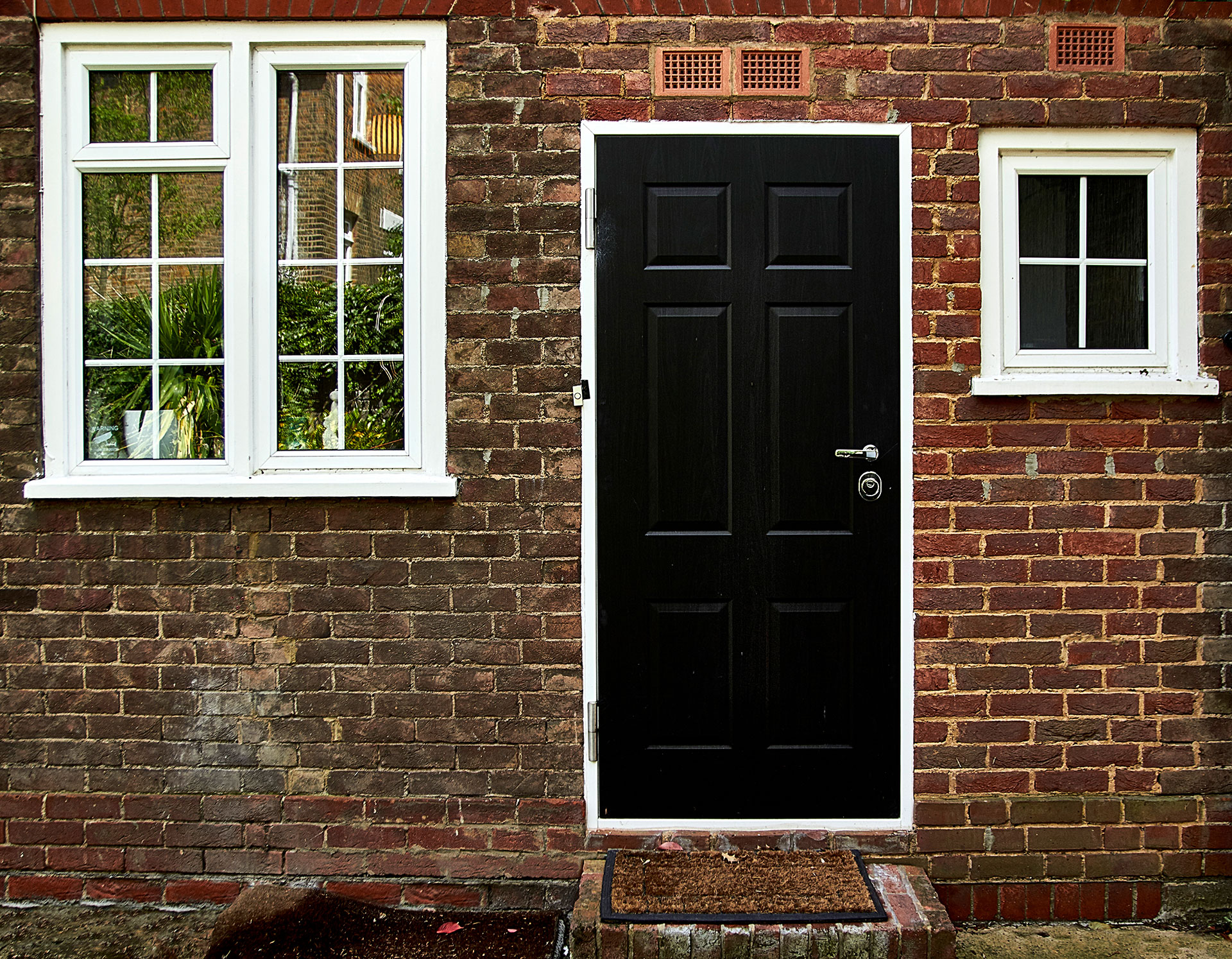
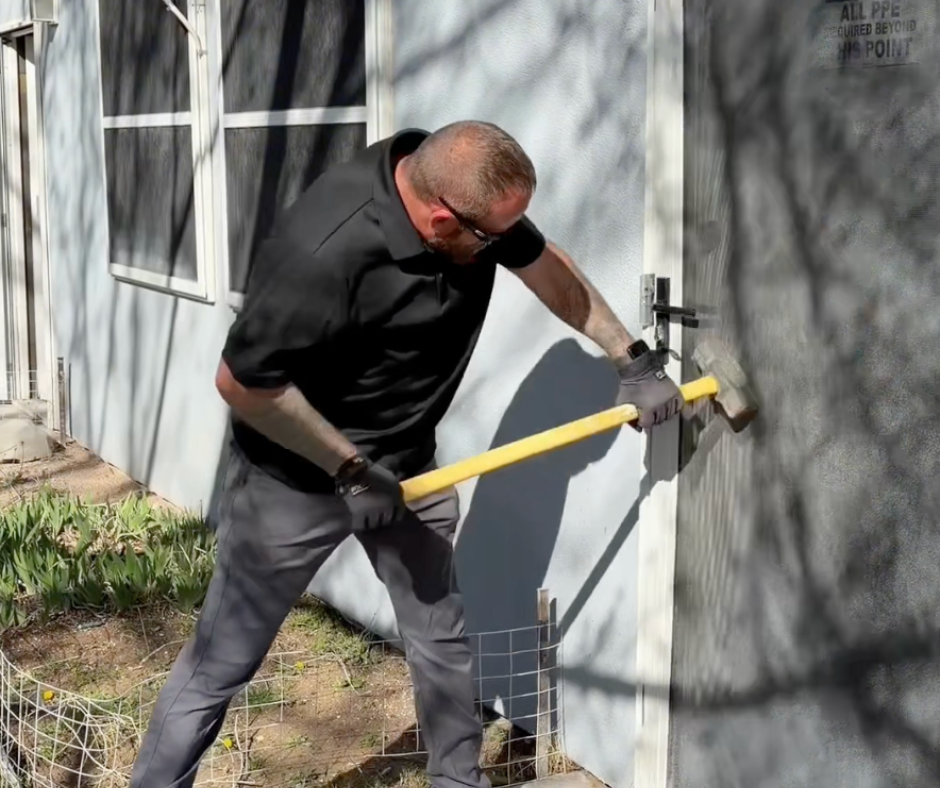
The front door is still the most common way in. Not through the lock — through the frame. A standard door with a short deadbolt strike can be kicked in with one or two hard kicks because the screws holding the strike plate are short and the jamb splits.
What actually stops a kick-in is a solid door in a reinforced steel frame with multi-point locking — points that lock into the frame at several places, not just one strike. That’s the whole idea behind a Shield security door: a solid armored door that replaces your existing entry door, with armored multi-point locking and bump- and pick-resistant cylinders. It doesn’t look like a fortress door, but it’s built and tested for forced entry.
2. Sliding glass doors
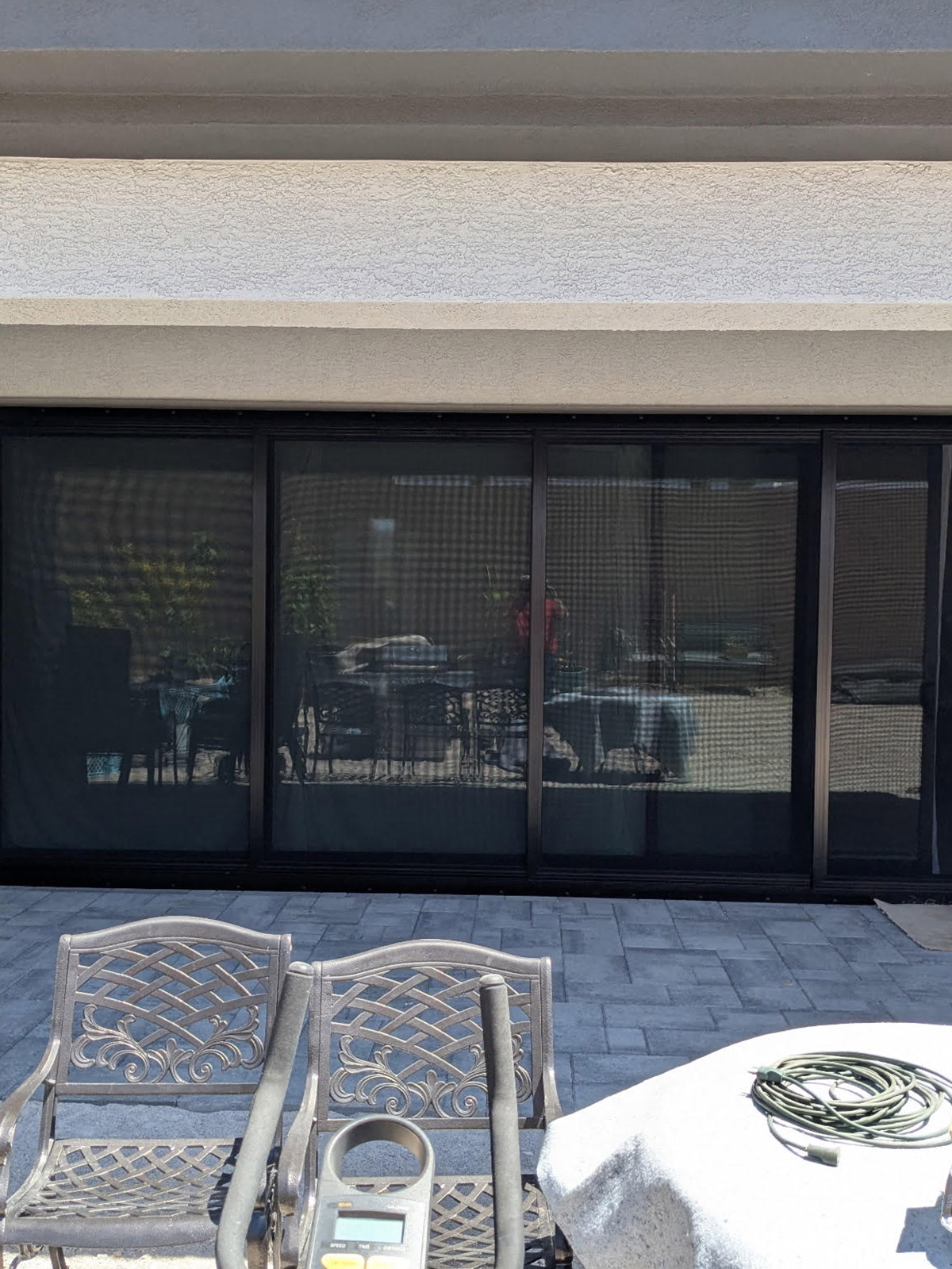
Sliders are the Las Vegas problem. Big glass, a light latch, and a track the door can sometimes be lifted right out of. In Summerlin and the newer master plans, the back slider is often the biggest sheet of glass in the house — and the first thing a burglar checks after the front door.
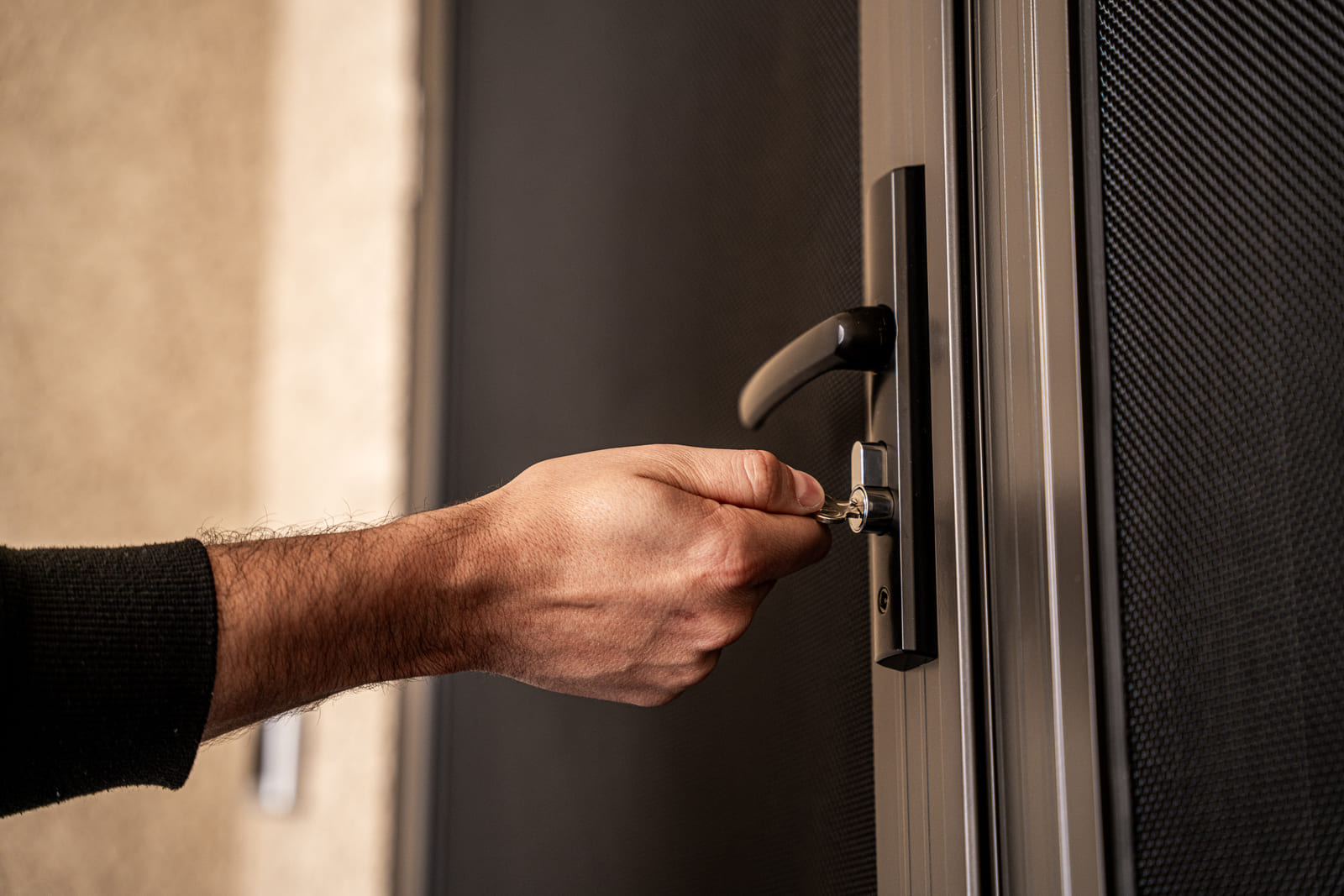
A security screen door over a slider changes the math. The panel is 0.9 mm stainless steel security mesh in a heavy frame, and sliding security doors lock at multiple points. The burglar isn’t getting through it quietly or quickly, and the screen still slides, still lets the air through, and still looks like a screen door — not a cage.
3. Windows
Ground-floor windows get pried, and glass gets broken. Two different answers depending on the window:
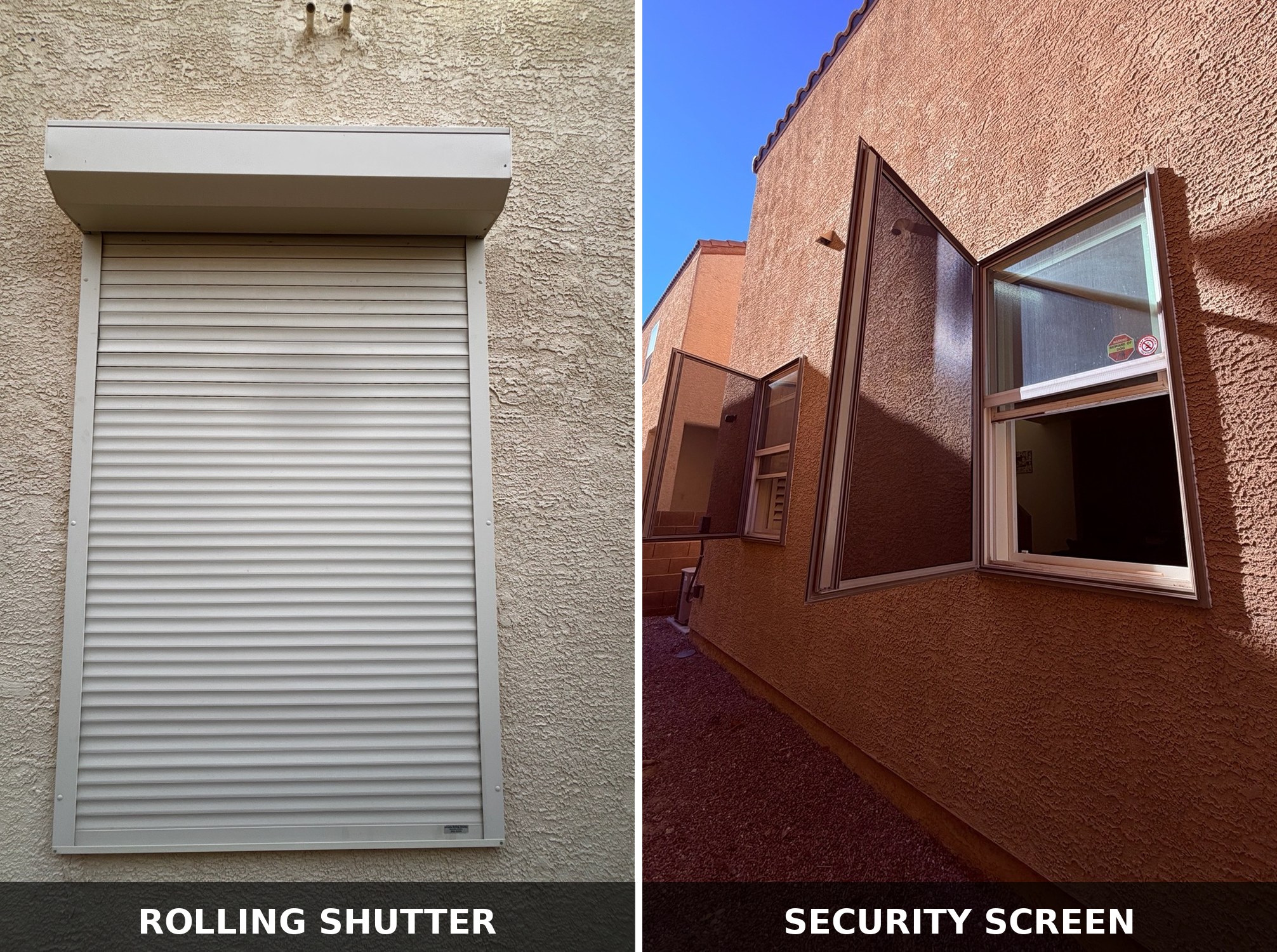
- Security window film — 12-mil safety and security film (Guardian installs Avery Dennison SF Clear 12 Mil) holds broken glass together in the frame. The window can be smashed, but it doesn’t open up a hole a person can step through. It turns a five-second entry into minutes of loud work. It’s optically clear, blocks 99% of UV, and is rated to UL 972 and GSA Level D blast standards.
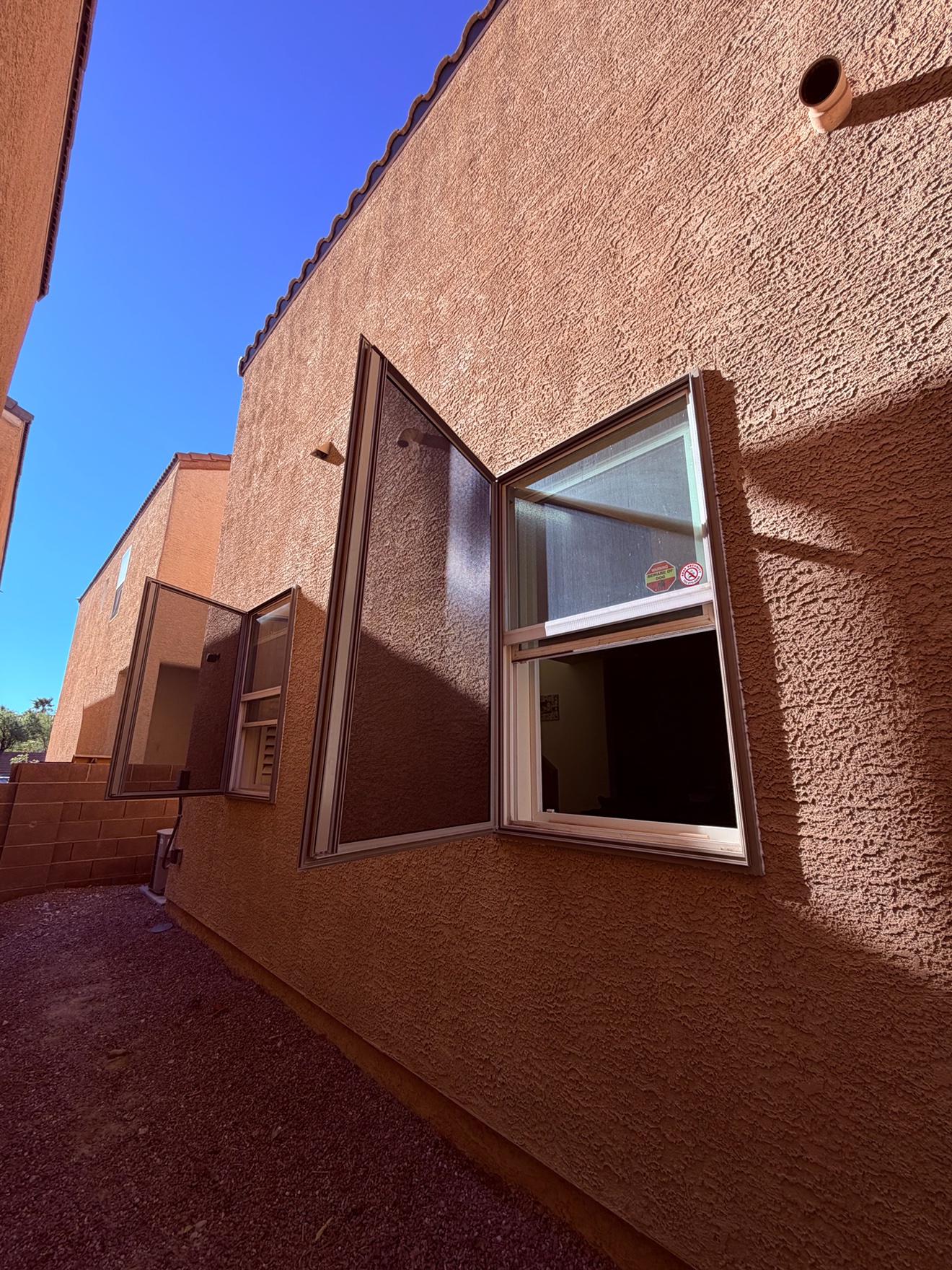
- Security screens for windows — a fixed or concealed fixed security screen covers the window with the same stainless mesh as the doors. For a bedroom window you need to be able to get out of in a fire, the EZ Exit window screen opens from inside with a single push-bar — security from outside, an exit from inside.
4. The side gate and the garage door
A burglar who can get into your backyard unobserved will take his time at the back of the house. A locked side gate, motion lighting that actually works, and a garage door that’s closed and locked at night remove the privacy he needs. None of this is expensive. Most of it is habit.
The pattern
Every hardening step above does the same thing: it adds time and noise. Burglars don’t beat good security — they leave and find a house without it. Harden the front door, the slider, and the ground-floor glass, and your house stops being the easy one on the street.
Guardian Security Screens measures and installs across Las Vegas, Henderson, Summerlin, and North Las Vegas. If you want to know which of your entry points is the weakest, that’s what a free estimate is for.